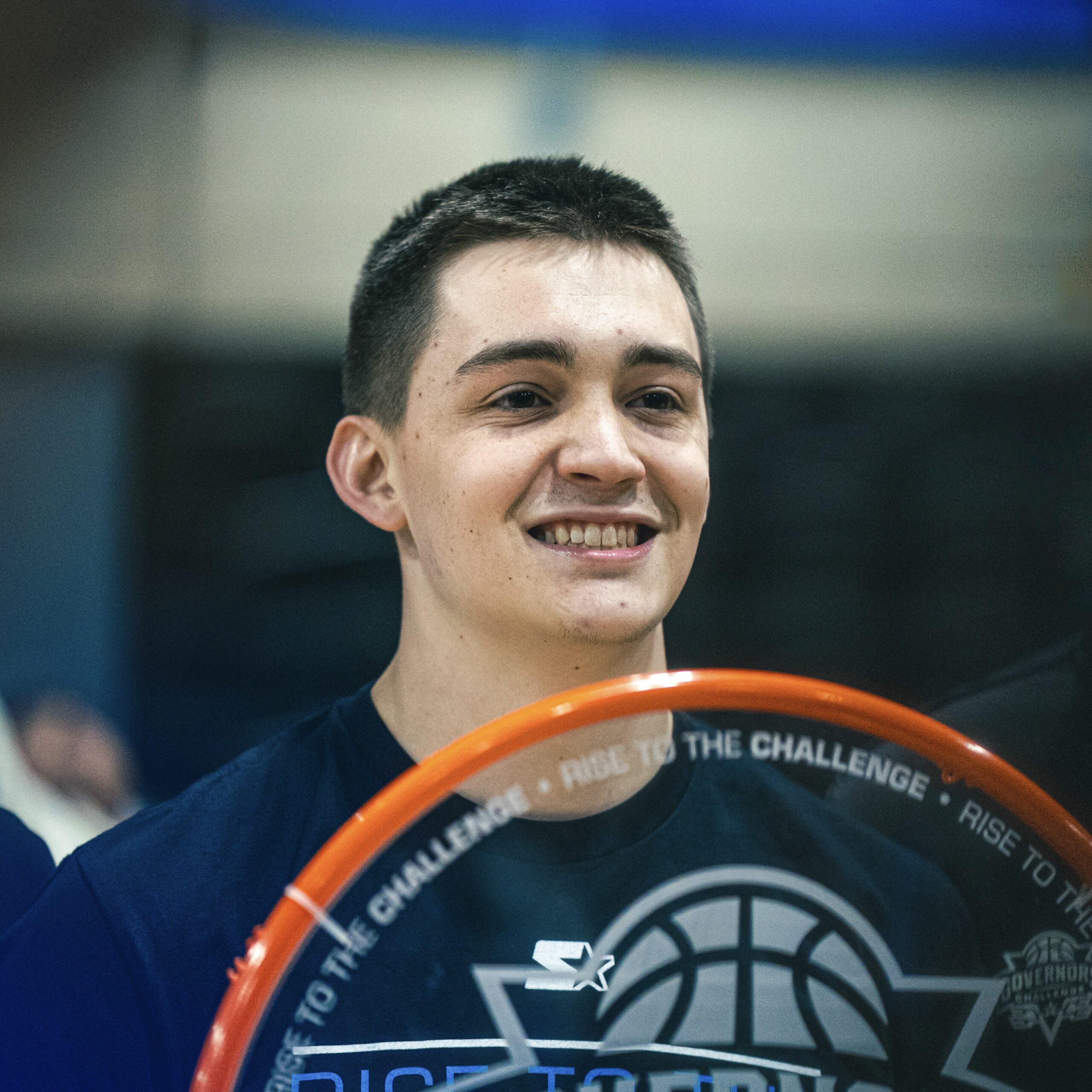
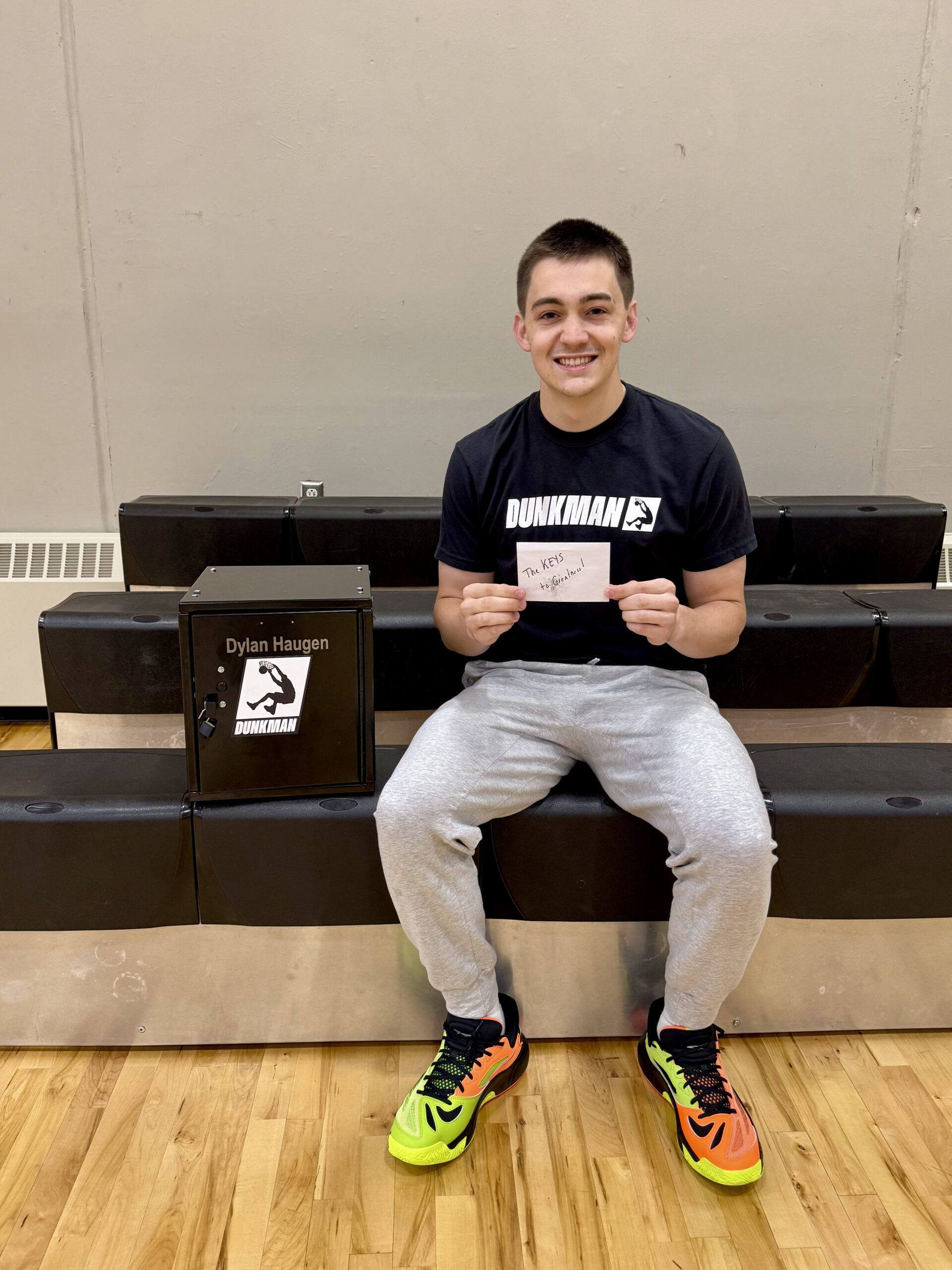
Dylan Haugen

Coming Back to The Dunk Camp to Teach What Changed My Life

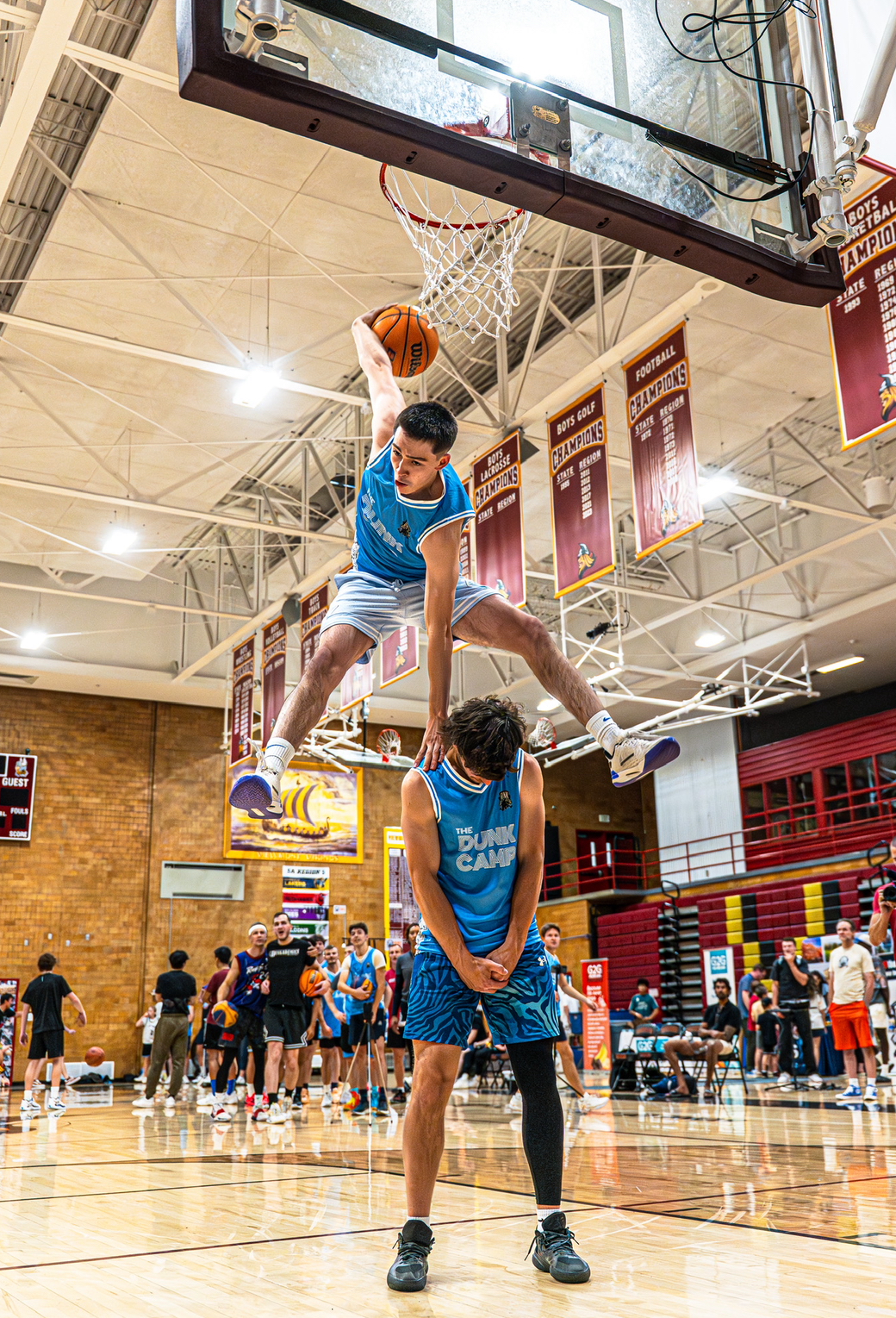
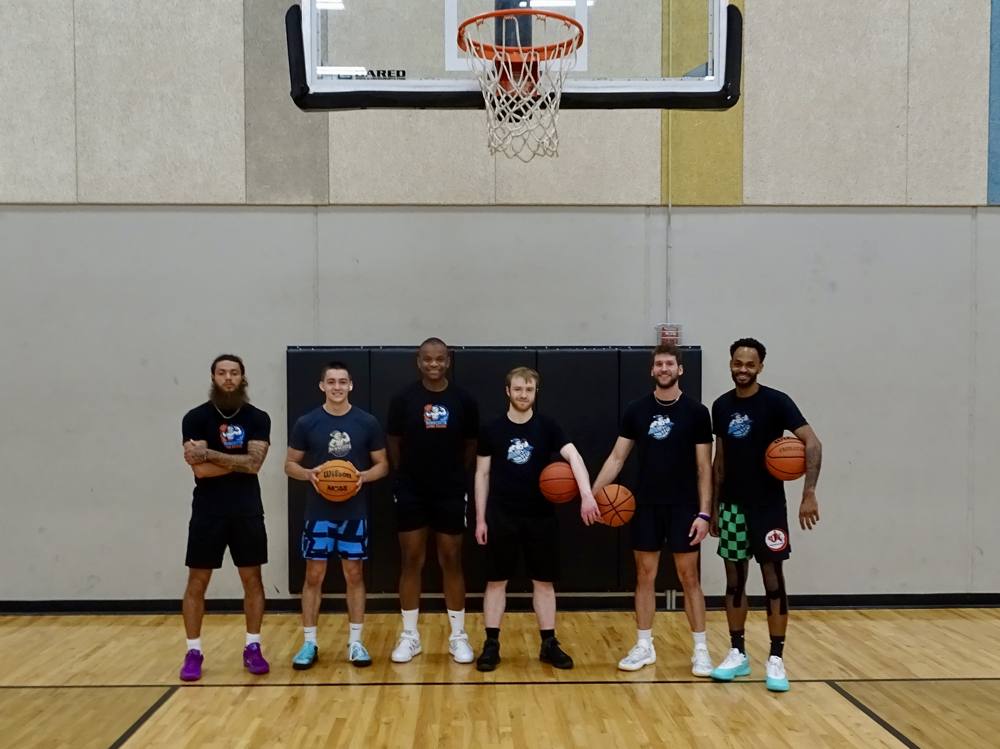
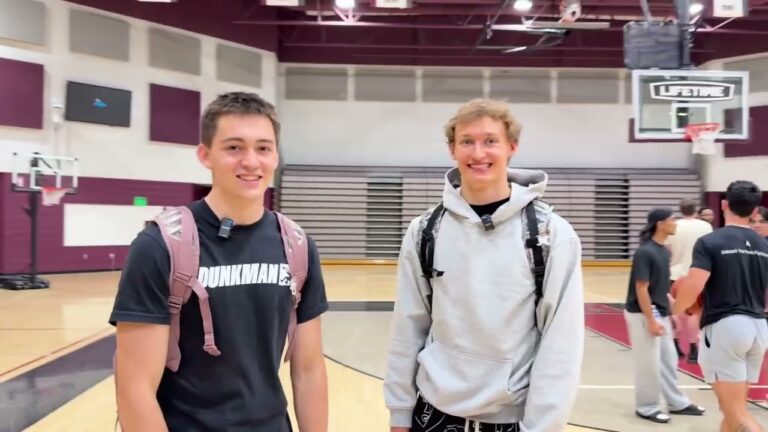
I first walked into The Dunk Camp in 2022 when I was 14 years old. I had no clue that four years later I’d be standing at the front of the room alongside my mentor Dennis Yu, teaching 76 dunkers the exact system that turned me from a random kid posting trampoline dunks into someone with a Google Knowledge Panel and a verified presence in AI search results. That camp in Salt Lake City this year was a full-circle moment I genuinely didn’t see coming.

I want to be honest about where I was before any of this happened. Before Dennis and I started working together, if you searched my name online, it was just noise. No clear identity, no structure, no signal.

“if you Google my name, it was just randomness. If you asked ChatGPT who I was, again, it was just confusion.”

That’s me on stage at the camp, quoting my own situation from not that long ago. The fact that I can now say the opposite is true is not something I take lightly. I have a confidence score over 3,000 on Dennis’s scale (Jordan sits around 1,700; Shaq is around 40,000). I’m verified on Google. I have a Knowledge Panel. And I got here through a specific, repeatable process that Dennis taught me and that I’ve now started applying for others around me in the dunk world.

How Dennis Came Into My Life Through Dunking

I always tell people about Dennis the same way he introduces me to people he knows: through the dunks first. Dennis found me because of a trampoline dunk video. He saw it, reached out, and ended up inviting me to a Vegas trampoline session with Donovan Hawkins. That’s how we met. Not through a networking event, not through some online course, through dunking.

Dennis has 30-plus years in digital marketing and built the analytics infrastructure at Yahoo in the late 1990s. He’s run roughly a billion dollars in ads for brands like Nike, Adidas, Red Bull, Starbucks, the Golden State Warriors, and Rosetta Stone. He’s the founder of BlitzMetrics. When he talks about the mechanics of how search engines and AI systems identify and understand a person, he’s not guessing. He built the systems.

“I’m a former search engine engineer. Back in the late ’90s, I built the analytics at Yahoo.”

What I think is actually cool about Dennis is that the same frameworks he used with the Warriors and Nike are the same ones we brought into a room of dunkers in Salt Lake City. The scale is different. The method is the same.

“these are the same ones we’ve trained on Adidas and Nike and the Warriors and Red Bull.”

The Knowledge Panel Is Not a Vanity Metric

One thing that kept coming up in the room was the assumption that being verified on Google is basically like the blue checkmark on TikTok, a status symbol. Dennis pushes back hard on that. I’ve heard him say this enough times that it’s genuinely changed how I think about my own presence online.

“A lot of people think that being verified on Google, which is necessary to claim your Knowledge Panel, is like a vanity thing, like being verified on TikTok or verified on YouTube, but it’s actually deeper.”

The way Dennis frames it, the confidence score is a measure of how well Google understands who you are and what you do. Anything above 400 is what he calls celebrity tier. The reason it matters beyond Google is that the same structured data that gives you a Knowledge Panel is what makes you show up correctly when someone asks ChatGPT or Claude who you are. It’s the same signal. If Google understands you, AI systems understand you. If neither does, you’re invisible in two places at once.

I built my panel by getting verified, setting up proper Person schema on this site, and making sure my Wikidata entity pointed to accurate, consistent information. It wasn’t complicated, but it was methodical. That’s what we walked the campers through in Salt Lake City, and you can see the full breakdown with rankings in the audit leaderboard we published at dunkerspotlight.com/dunkcamp26.

Building Brooke’s Presence and Cam’s

Two of the people I care most about in this space are Brooke Lance and Cam Hazzard, and we’ve been doing this work with both of them. Brooke landed the number two spot on the audit leaderboard at the camp, which I was genuinely proud of, not just because she’s my girlfriend, but because of the actual work that went into it.

Brooke already has a Wikidata entity, a personal brand site, and a growing content presence. I’ve been building that with her over time. On stage I was straightforward about why.

“Brooke is my girlfriend, but it’s because I’ve actually done a lot of this stuff for her. We’ve got like her Wikidata and website and all that stuff.”

With Cam, the story is a little different because Cam runs hard and fast. Dennis and the team built camhazzard.com in about 20 minutes over lunch from a single 20-minute interview video, the day before Cam spoke at a conference. Cam then went and built his own positive-mentions agent, which he demoed at the Detroit AI Summit. He’s also a DunkMan League athlete with a 50-inch vertical, and he now ranks for nearly his entire first three pages of Google on his own name. The work compounds. You can read more about how that came together in the BlitzMetrics piece on how we built Cam’s personal brand AI.

The System We Actually Use

People in the room kept asking what tools we were using, and the honest answer is: Claude, mostly. But the way we use it is not what most people expect. There’s no magic prompt. There’s no one click. You direct it the way you’d direct a coworker.

“you just talk to the thing like it’s a team member or a coworker and just direct it.”

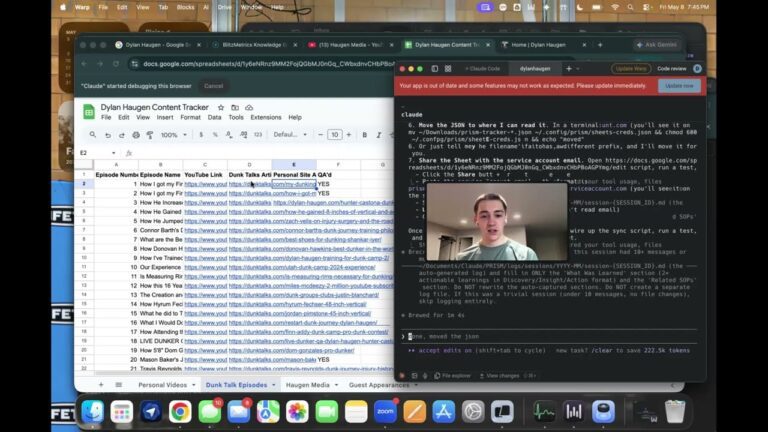
The central piece of our setup is what I call the brain, which is literally a folder of files on my computer. Every article we write, every task we run, every piece of context the agents need lives in there. The agents read it, use it, and add to it after each task. The system gets smarter each time it runs because it documents itself.

The content output side works the same way. One video becomes articles across a network of sites. Each article lives on a different domain, in a different voice, for a different audience, but they all point back to the source and to each other. That’s the repurposing system I’ve built out with the team, and if you want the step-by-step breakdown for how we apply it to the dunk world specifically, the full dunker visibility playbook is worth reading.

For the dunkers at the camp who want to see how this same logic applies to local businesses and service providers, the same playbook for local service businesses connects the dots. And Dennis wrote his own take on the knowledge gap that kept showing up in the room at Dennis Yu on the creator knowledge gap.

Why I Care About Pushing Dunking Forward

I’ve been dunking since I was 13. I host the Dunk Talk podcast. I’m a DunkMan athlete. Dunking is the thing I built my whole identity around, so when I get to do something like this, show up at a camp I first attended as a 14-year-old and now teach at it, it means something real.

The camp host, Andy Nicholson, said something in the intro that I keep coming back to. He was talking about watching where some of the athletes have gone since coming through the program, and he said about me:

“to watch where he’s gone and now to be part of Dunkman is really cool. So we’re very proud of him.”

That hit differently than I expected it to. I’ve put a lot of hours into the dunk stuff, and having someone who’s watched that journey acknowledge it out loud was one of those moments where you realize the work actually shows.

2026 is a real year for DunkMan. The league is growing, the athletes in it are serious, and the sport has legitimate momentum. I want the people in this community to be able to build on top of that, to have a real presence, real search visibility, real brand equity, not just great dunks that disappear after they post them. That’s why I care about this work. And that’s why I’ll keep showing up at camps and teaching it.

If you want to watch the full session and see what we covered, the video is at the top of this page. We also covered the session from a community angle over on our Dunk Camp branding session recap, and for the repurposing methodology behind how one talk becomes six articles, the one-video repurposing system at BlitzMetrics walks through exactly how we built this package.

About The Author

Scroll to Top