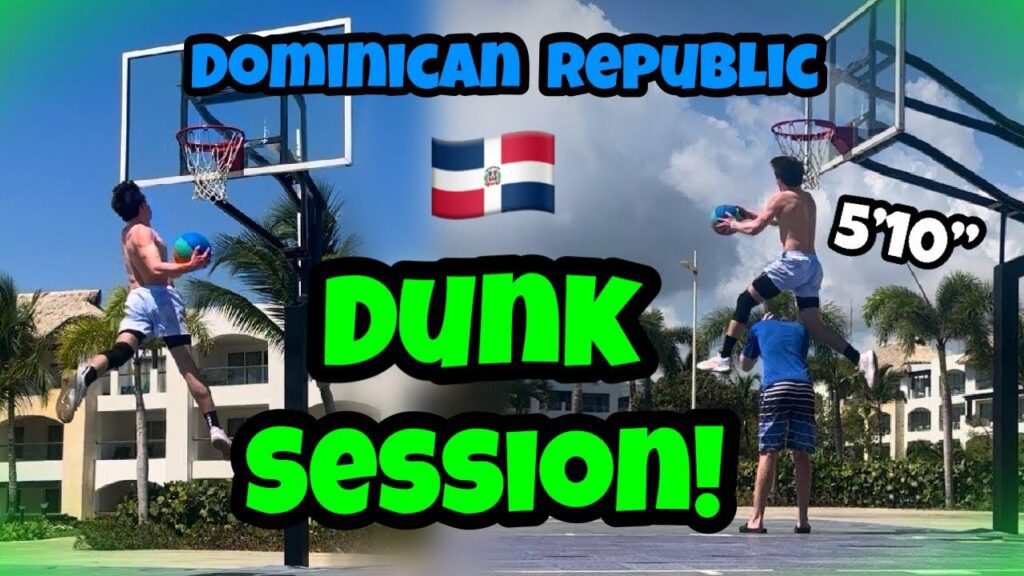
This week I was in Dallas with Dennis Yu to speak at the Align Volleyball Summit, and the Texas Flight Crew and I rented out a court for a session before the conference. Eight of us got reps in. The guy I most wanted to meet was Cam Hazzard, one of the 24 athletes Shaq just picked for the new DunkMan League this summer. We recorded a mini episode of the Dunk Talk Podcast right after the session, and the things Cam said about content, jumping, and the dunking community ended up being more useful to me than just about any pure dunk session I have been to this year.
Why I Wanted Cam in This Episode
I have been running the Dunk Talk Podcast for over a year and have interviewed dunkers across the spectrum: Jordan Kilganon, Isaiah Rivera, Jordan Southerland, Donovan Hawkins. Cam is a different stage of the journey. He is 20 years old, has a 50-inch verified vertical, and lands a 360 under both, a dunk fewer than 10 people on the planet hit. Outside the tight-knit dunk community and the people who have been following the announcements for Shaq’s new DunkMan League, most folks have not seen him work out yet. That is exactly why I wanted him on the show before the league starts. The story of how a dunker like Cam Hazzard goes from local college gym clips to one of the 24 best in the world is the story this sport needs.
The 85% Session
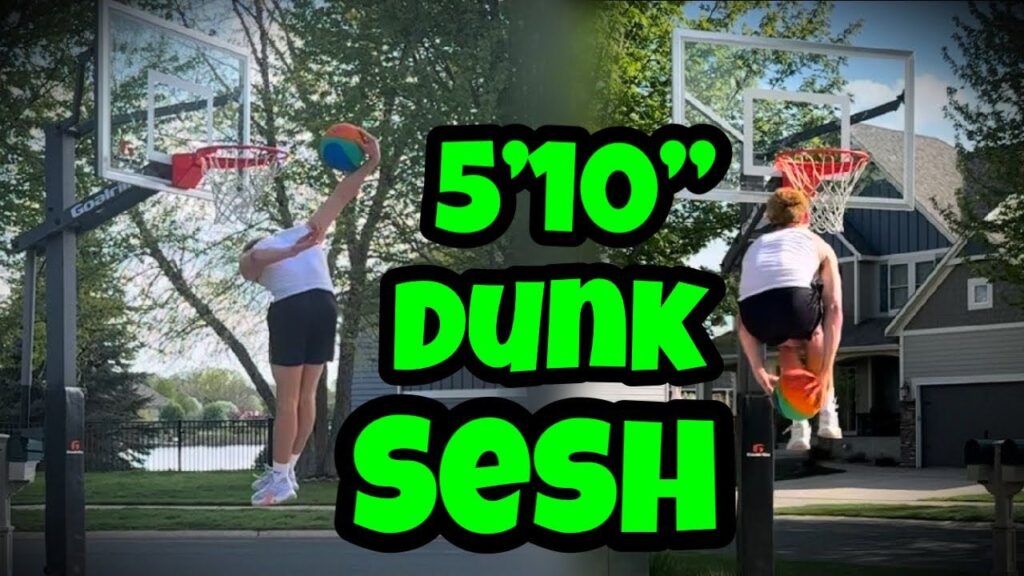
Cam threw down a 360 under both, a 360 inverter, a 540, and a long list of other dunks on a legit ten-foot rim. I personally had a decent session but didn’t hit all the dunks I wanted to. When I asked Cam how he felt the session went, this is what he said:
“Honestly I hit some things I wanted to hit. I didn’t hit everything though. I was probably around 85%. I played some basketball yesterday. I was a little bit sore, but not too sore.”
What I Took From His Content Strategy
The content section was the part of the conversation I think about most. Cam went from 2K to 19K on Instagram in a few months. The shift was not the algorithm. It was him.
“I had about 2,000, 3,000 followers back in November, and I was just posting my dunk clips with some gym bro music… And then over Christmas break I had nothing to do. I got back from college and I was like, ‘Let’s just see where I could take this.’ So I posted daily, started putting more effort, and by the end I got 10,000 followers.”
And then the actual lesson:
“I found that if I just make more relatable content, less one-off cool trick dunk stuff, make it more relatable, I would get more followers.”
Contextless one-off clips are the easiest thing to scroll past on social, and they don’t build a connection with the audience. They might pick up some views, but they’re not building a following. This is something Dennis Yu and I have been talking about for a year in our work with Local Service Spotlight. Story-driven, relatable content is what makes someone actually hit the follow button. Cam figured it out in one Christmas break. He also did a separate interview with Dennis Yu from the same Dallas trip that gets deeper into where he ranks in the league.
The Donovan Hawkins Story
Cam’s actual breakthrough moment was Donovan Hawkins doing a YouTube reaction to his subscriber dunks and telling Cam in the DMs that he was jumping too high not to post. I have heard versions of this story from almost every dunker I have interviewed. There is always one older creator in the scene who sees a young dunker, recognizes the gift, and pushes them onto the platform. That is the role I want Dunk Talk to play more often. Give the next Cam Hazzard a platform earlier in their journey, instead of waiting for the lone YouTuber to spot them.
Getting the Call From Shaq Mid-Surgery
The detail that got me was when Cam told me he broke his hand and got the DunkMan call three days post-op.
“I just broke my hand. I got surgery literally three days after getting the call from Chuck. So I was just starting off with my injury. Chuck called me, put me in the league, and I’m ready for it.”
I have had my share of injuries over the years and I know how easy it is to mentally check out during rehab. Cam used the down time to get sharper. That is the part I want for my own training cycle this year. When something goes wrong, lean in instead of resetting. The host-side breakdown of this episode is over on Dunk Talk, and Dennis covered the marketing-lens version of the same Dallas trip on his site.
What the Dunking Community Looks Like With Money on the Line
Toward the end I asked Cam how he thinks the community is going to react when there is $500K on the line. His honest answer:
“I’m interested to see how this acts when there’s money on the line. See how people are.”
I have the same question. The dunking world has been relentlessly collaborative for as long as I have been in it. People show up to each other’s sessions and lift each other higher. Once the prize money is real, the format is on TNT, and the scoring system is new, the social pressure changes. I think the culture holds, because the people in this league actually love the sport. But I am going to be watching closely as a host and as a dunker.
What’s Next
We are going to do a full longer episode with Cam soon to go through his entire story end-to-end. It will cover the 360 under both, the academic side at Abilene Christian University, and the road to TNT.
Are you tuning in to DunkMan this summer? Drop a comment with who you think wins the $500K. I have my own pick after this session, and I will share it on the next full episode.
About The Author