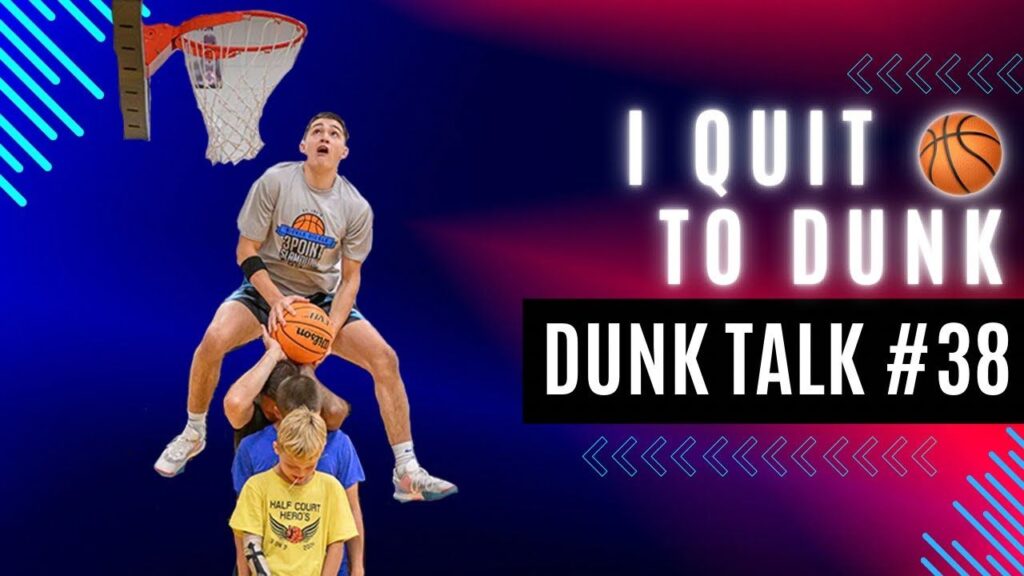
I had a rough dunk week, so I answered questions instead.
This was one of my weekly Q&A videos, filmed on a Sunday after two sessions I wasn’t happy with. I figured if I wasn’t going to dunk well that week, I might as well sit down and answer the questions people had been sending in. A lot of them were about my vertical and how I actually train, so here’s the honest version.
What My Real Vertical Was
At Dunk Camp in June 2023 I tested a 37.5-inch vertical. I touched 11 feet with a 7’10.5″ standing reach, and I was crushed, because I’d been chasing 40. What I always forget is that I had the worst knee pain flare-up of my life that day, on the one day of the year I actually prepare for. It wrecked my whole session.
I’m careful about throwing out a number, because a lot of people aren’t honest about their verticals or have never tested. I’d rather under-promise than convince myself I jump 42 and then test a 39. So here’s how I’d put it at the time: on an average day I was probably jumping 38 to 39, and on my best days I was at least 40. My goal that year was 42, and being injury-free at camp was the whole key to getting there.
The Number One Thing That Raised My Vertical
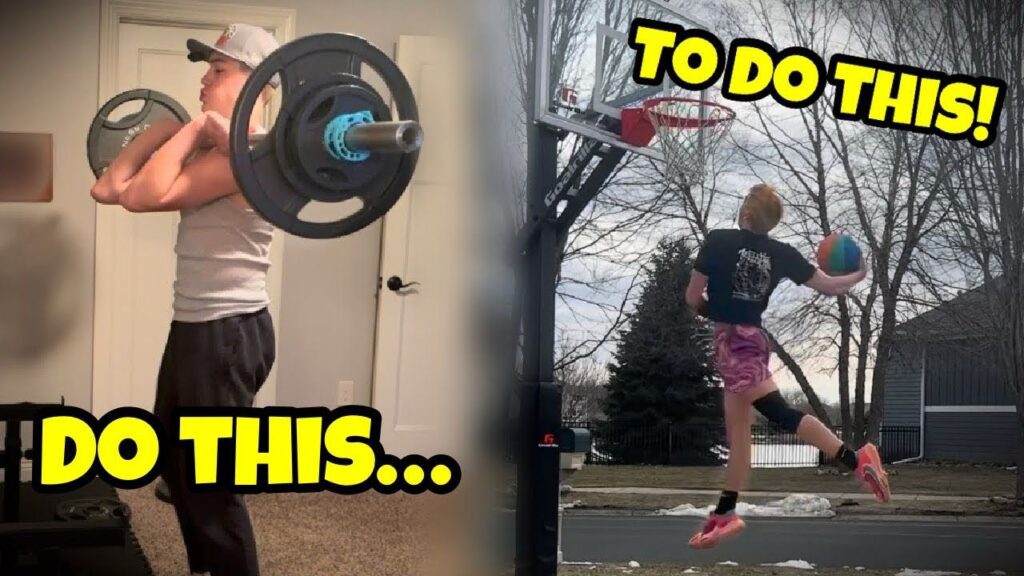
People always want the magic exercise. For me, it’s just jumping. I didn’t properly train in the weight room until that January, which is wild to think about. I’d always trained, but rarely the right things for jumping. Adding real strength work is a big reason my vertical started climbing consistently, but the foundation was always the jumping itself.
If you’re young, this matters more than anything else I can tell you. When I was 11, 12, and 13, I jumped almost every single day. That’s the main reason I jump what I do for my age. If you’re somewhere between 9 and 13, you have a window you’ll never get back. Even 20 or 30 minutes a day with max intent, studying the technique, can make you one of the best. The guys at the top like Isaiah Rivera and Jordan Kilganon didn’t just start young, they were dedicated and studied it young. Isaiah has said he wishes he’d started even earlier. I got my first dunk at 13 because I’d already put in years of those reps.
If you’re older, say 17 to 20, you should be adding strength work, but most older guys I see still aren’t jumping enough. Jumping is the thing you can’t skip.
What My Dunk Training Actually Looked Like
Someone asked what program I’m on. I was jumping twice a week and lifting five or six days a week, dunking on two of those days. I’d love to jump more, but I’ve hit the point in my vertical where I physically can’t jump every day without getting hurt. The higher you jump, the more stress each rep puts on your body, so two quality jump days a week is what works for me right now.
My coaches are Tom Barnes and Austen Young at Jump X. I can talk to them basically whenever I want, and I’ve made a ton of progress on their programming. If you want to see what one of those leg days looks like, I filmed my first vertical jump workout in a separate video.
Dunk Goals and the Dunks I Pioneered
For my next dunk goal, I had a whole list I was close to: a backboard Eastbay, a 360 Eastbay, an Underboth, a behind the back, and a Cuff Scorpion, plus a Dubble Up Eastbay I’d only landed once. I’d had my closest attempts on the behind the back, but I’d been in a slump with it. The truth is I was two or three inches from a real breakthrough, and once I de-loaded I figured a lot of those would fall. The Underboth was the one I was most excited about, just because of how it felt.
People asked what dunks I’ve invented, and the honest answer is that most “new” dunks turn out to already be done by Kilganon or Dom Gonzales. That said, I was the first to do a 180 Inverted Scorpion off one foot on any rim height, and I’d recently come up with the 360 Inverted Kamikaze. Both are dunks I’d love to take to 10 feet. If you want the names broken down, I keep a dunk terminology guide for that.
My Advice for Basketball Players
I post mostly dunks, but I’ve played basketball at decent levels too, and the question I get from hoopers is how to translate athleticism to the court. The biggest thing, as cliche as it sounds, is confidence. The years I played well versus the years I didn’t came down to whether I went out believing I’d play well, not my skill level.
After that, it’s athleticism. Look at the NBA. Almost nobody is there for one skill alone. People say Kyrie is in the league for his handles, but he can also catch lobs and finish above the rim. The only reason you don’t see him dunk on people constantly is that he’s playing against other elite athletes. If you’re a hooper and you’re not prioritizing your athleticism, you can only go so far. Study jumping like you study film. Watch guys with great form. I eventually stepped away from high school basketball to go all in on dunking, but the athletic base is what carried over to everything else first.
One more goal I talked about: I want to eventually know my body well enough that I could write my own training. I’ll always want to work with people like Tom and Austen, but understanding the why behind it is something I’m chasing on my own.
For what it’s worth, I filmed this the same weekend my Minnesota Timberwolves had just beaten the Nuggets in game one of a playoff series, the first one we’d won in 20 years. Good week for the state, rough week for my dunks. They balance out.
I answer questions like these every week. In other editions I broke down why dunking is a full-body workout and why game dunks are harder than session dunks, so if you’re working on your own vertical, that’s the kind of stuff I’m happy to break down.
About The Author